
Sweater Knit Jersey Wool Suppliers in China Puffa Jacket Coat
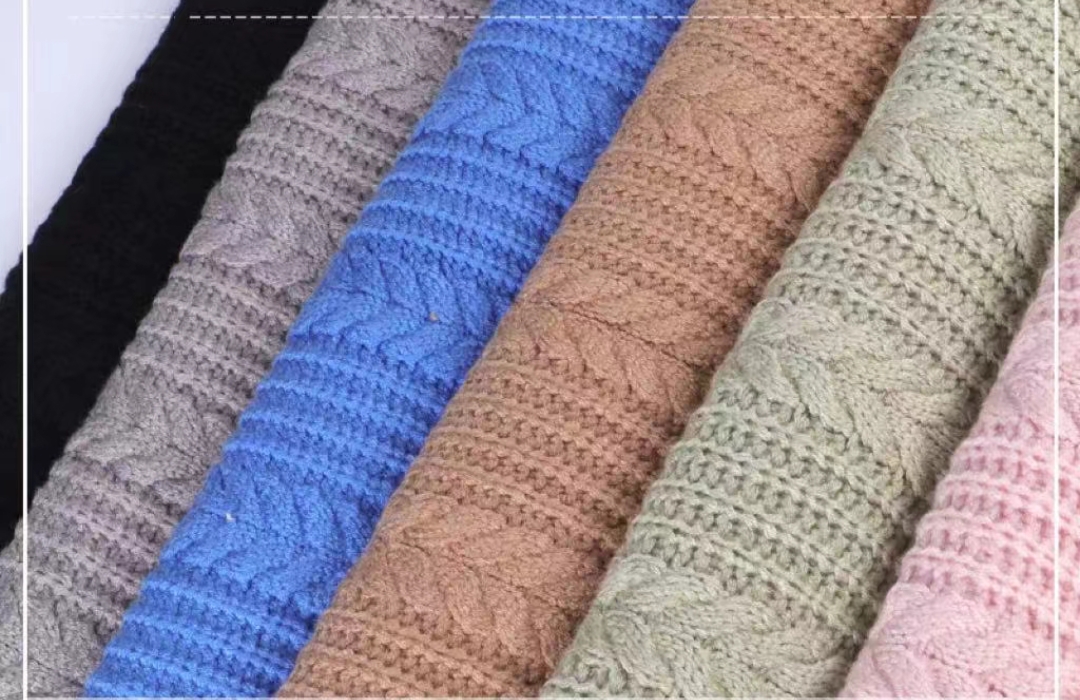
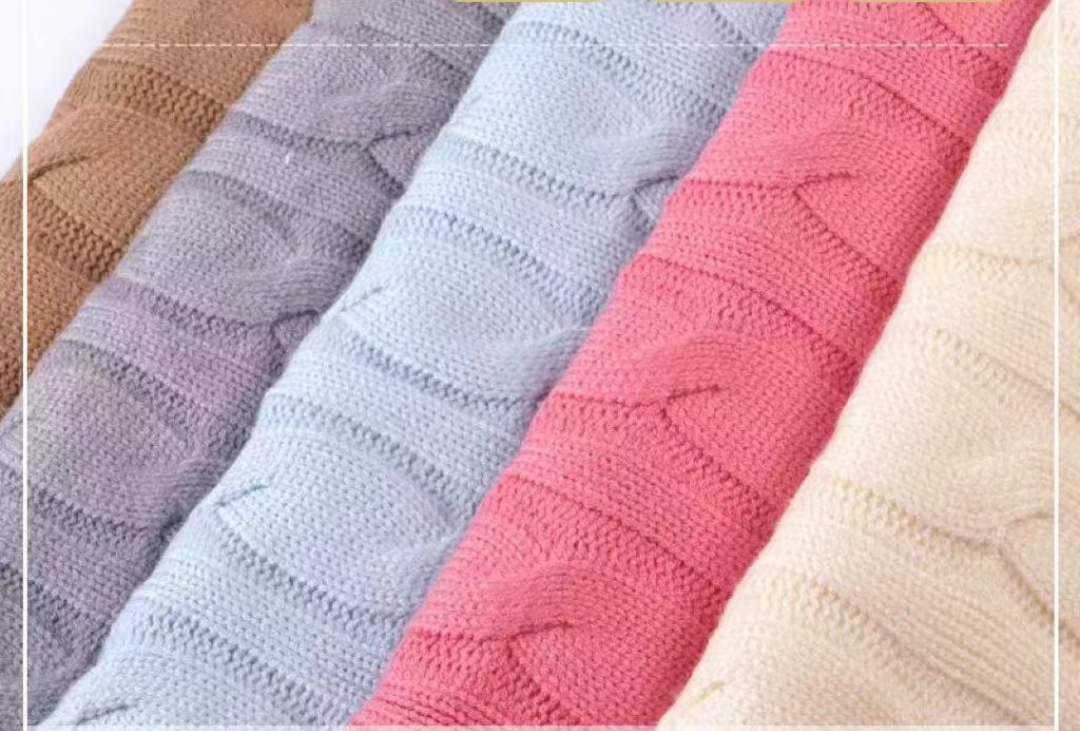 | Sweater Knit Jersey Wool Suppliers in China Puffa Jacket Coat
|
From Cozy Classics to Contemporary Chic: The Enduring Allure of Wool in Sweaters and Jersey Knits
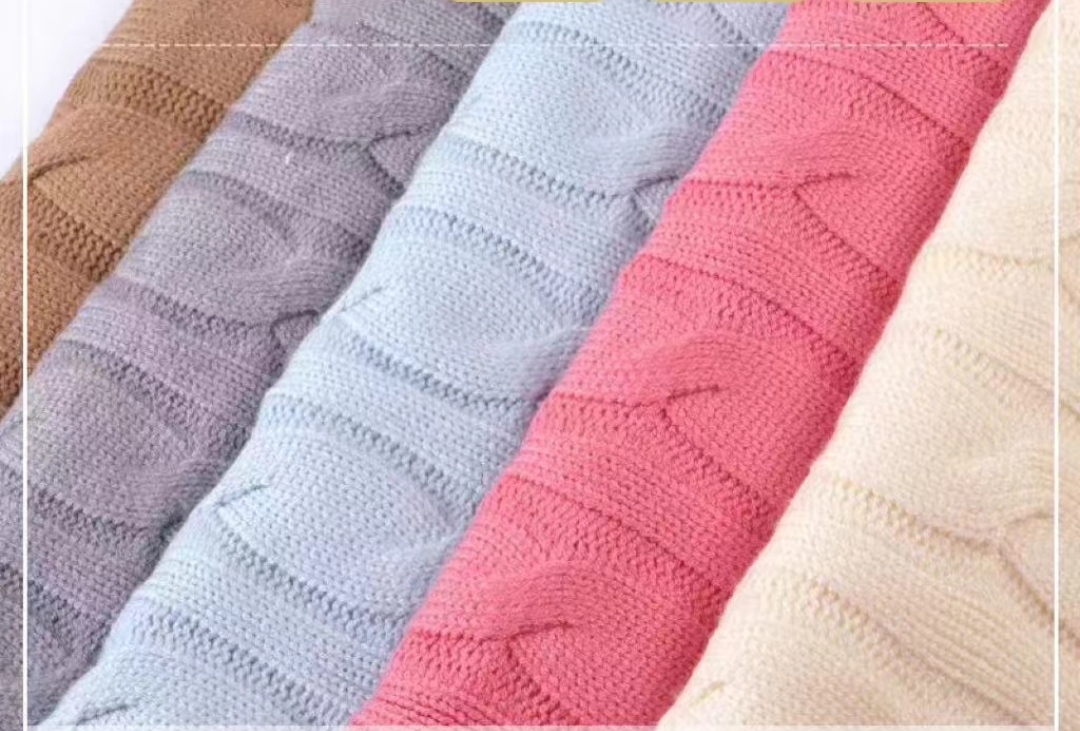
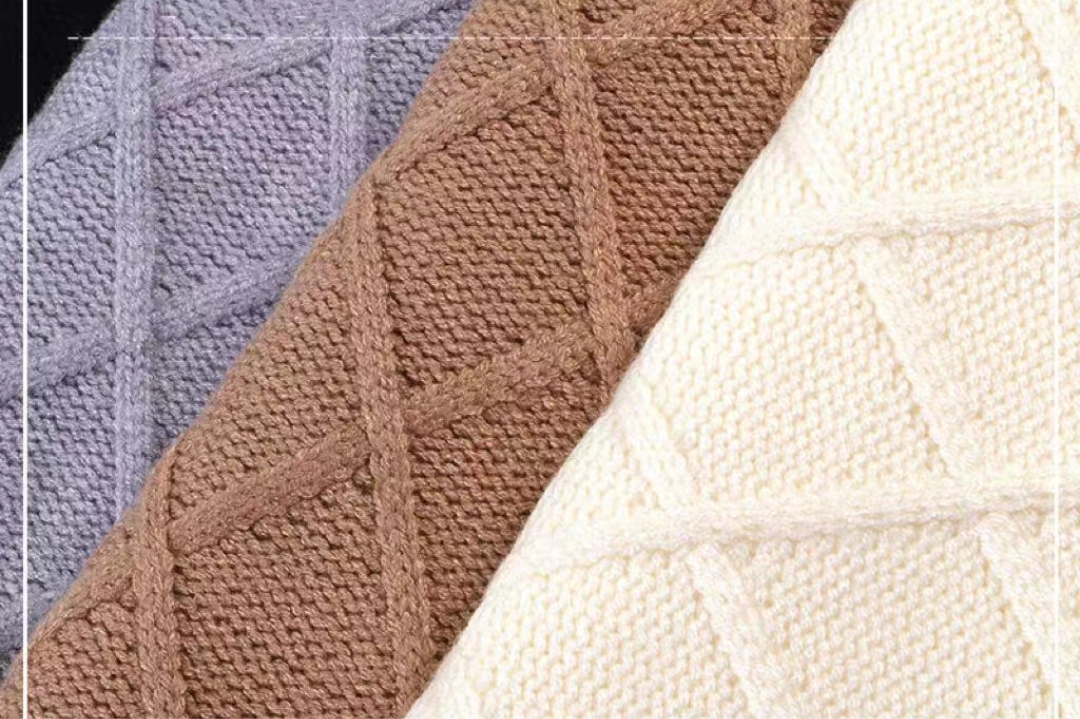
Wool, a natural fiber with a history as old as human civilization, remains an unparalleled cornerstone of the fashion world. Its application in two key forms—the structured, often chunky sweater wool and the fine, flexible jersey wool—demonstrates its remarkable versatility. Today, these materials are not merely winter staples but year-round essentials, continuously reinvented through evolving trends, innovative patterns, and sophisticated finishing techniques that elevate their touch and function, particularly in the realm of jackets and outerwear.
The Distinctive Qualities: Sweater Wool vs. Jersey Wool
Understanding the difference begins at the construction level. Sweater wool typically refers to yarns—from merino, Shetland, lambswool, or blended fibers—knitted or woven into garments with inherent volume, texture, and warmth. The focus is on loft, stitch definition (like cables or ribbing), and a tangible, comforting presence. It’s the stuff of classic pullovers, chunky cardigans, and Fair Isle knits.
Jersey wool, on the other hand, refers not to the fiber itself but to a specific knit structure—the same single-knit technique used for cotton t-shirts, but executed in wool or wool-blend yarns. The result is a lightweight, drapable, and surprisingly resilient fabric with a smooth face and a slightly curled edge. Wool jersey offers the breathability and softness of wool in a fluid, easy-to-wear form that resists wrinkling, making it a premium choice for modern, streamlined garments.
The Feel of Luxury: Decoding the "Hand" of Wool
The "hand" or手感 of wool is a critical measure of its quality and appeal. Technological advancements and consumer demand for luxury have dramatically refined this aspect.
· Merino Magic: The gold standard for softness. Ultra-fine merino fibers (often below 19.5 microns) create yarns that are luxuriously soft against the skin, banishing the itchiness historically associated with wool. This has been pivotal in wool’s expansion into base layers and fine jerseys.
· Cashmere & Camel Hair: The pinnacle of indulgence. Cashmere, from the undercoat of Kashmir goats, is famed for its cloud-like softness, incredible warmth, and lightweight loft. Camel hair offers a similar, slightly silkier luxury with a natural golden tan hue. Both are often blended with finer sheep wools in high-end sweaters and jacket linings to enhance feel while managing cost and durability.
· Treatment & Finishing: Processes like superwashing permanently smooth the wool scales, making garments machine-washable and incredibly soft. Brushing or raising the surface creates a fuzzy, peach-skin nap that enhances warmth and softness visually and tactilely. For jersey wools, mercerization or enzymatic treatments can add a silky, cool luster and drape.
Wool in Jackets: A Synthesis of Form and Function
The role of wool in jackets brilliantly showcases its adaptive nature, blending aesthetics with practical performance.
1. The Structured Blazer & Coat: Here, sweater wool in its woven form (flannel, tweed, melton) is king. Tweed jackets offer texture, heritage, and wind resistance. Wool flannel blazers provide smart drape and warmth for transitional weather. Heavy wool melton is the classic material for pea coats and duffels, prized for its dense, felt-like structure that blocks cold winds effectively. The trend here is towards updated silhouettes—oversized, deconstructed, or with utilitarian detailing—bringing a fresh edge to traditional fabrics.
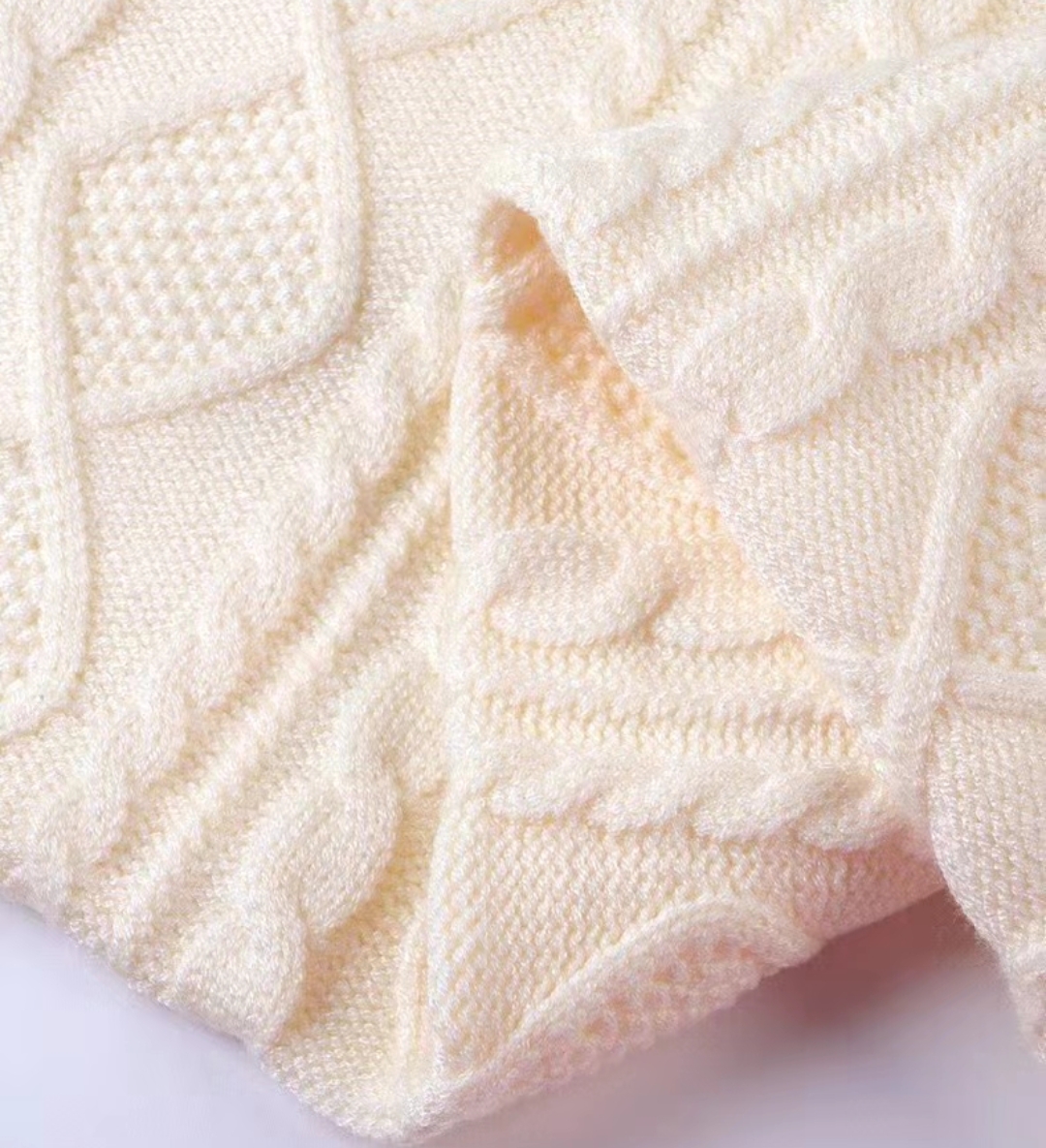
2. The Knitted Jacket (Cardigan as Outerwear): The line between sweater and jacket has blurred. Chunky sweater wool in grandpa cardigans, shawl-collared styles, or long, coat-like knits is worn confidently as primary outerwear. The popularity of crafts-inspired textures—wide cables, basketweaves, and ribbing—turns these pieces into statement layers. They offer breathable, insulating warmth with a uniquely cozy aesthetic that technical shells cannot replicate.
3. The Lightweight Layer & Tech-Integrated Shell: This is where wool jersey shines. It is the ideal fabric for unstructured blazers, anoraks, and lightweight spring/fall jackets. Its fluidity allows for comfortable, minimalist designs. More importantly, wool jersey is increasingly used as a face fabric in technical and fashion-forward outerwear. When combined with membrane laminates (e.g., GORE-TEX INFINIUM™) or bonded to insulated liners, it creates high-performance jackets that are water-resistant, windproof, and breathable, yet retain a natural, sophisticated look and feel far removed from shiny synthetics. This fusion of natural fiber performance with cutting-edge textile technology is a major trend in sustainable and aesthetically-driven athleisure.
4. The Lining and Insulation: Beyond the outer shell, wool’s temperature-regulating and moisture-wicking properties make it a superior lining or insulation material. Thin wool jersey linings add comfort and warmth without bulk. Felted wool or wool-blend insulation (sometimes recycled) is gaining traction as a biodegradable, highly effective, and breathable alternative to down or polyester fills in premium parkas and gilets.
Prevailing Patterns and Aesthetic Trends
Patterns in wool garments reflect a dialogue between nostalgia and contemporary innovation.
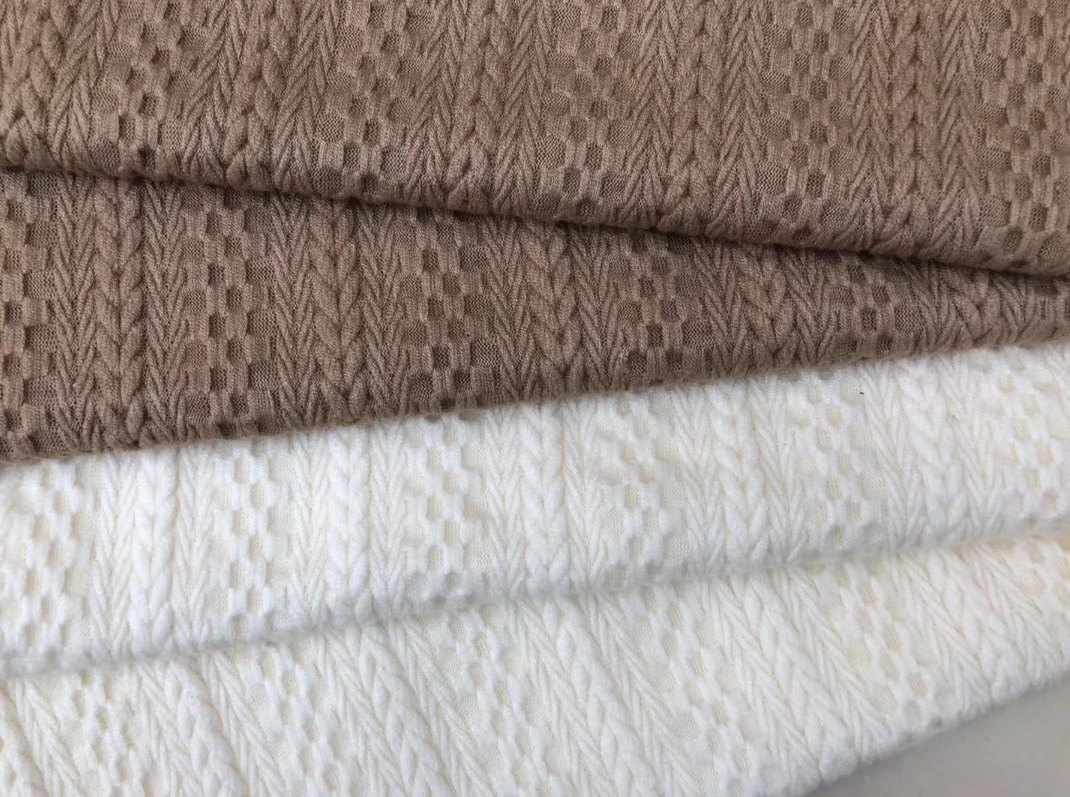
· Graphic & Oversized Geometry: Moving beyond traditional fair isle, modern jacquard knits feature bold, abstract geometric patterns, oversized stripes, and graphic color blocks. This trend is evident in both chunky sweaters and printed wool jersey jackets.
· Organic & Artisanal Textures: The "craft core" movement celebrates inherent texture. Uneven, bouclé, or looped yarns create tactile interest. Slubbed, marled (heathered), and hand-knitted effects speak to a desire for authenticity and slow fashion. Herringbone, houndstooth, and windowpane checks in jackets remain perennial, now often rendered in unexpected color palettes.
· Minimalist & Tone-on-Tone: For wool jersey and fine-gauge knits, sophistication lies in simplicity. Minimalist intarsia, subtle tonal cable stitches, or the pure focus on the fabric’s drape and a single, rich color (earth tones, jewel shades, and cream are key) project understated luxury.
· Ecological & Dyed Patterns: With sustainability at the fore, patterns derived from natural, non-toxic dyes, or using the undyed, natural colors of different sheep breeds (greys, browns, creams) are increasingly popular. This "sheep to shop" traceability adds a narrative of purity and environmental consciousness to the garment.
Conclusion
Wool, in its many guises, continues to prove its irreplaceable status. The robust, comforting embrace of sweater wool and the sleek, adaptable flow of wool jersey cater to a spectrum of needs and desires—from the yearning for authentic, tactile connection to the demand for high-performance, sustainable style. As it is reinterpreted through modern patterns, engineered for unprecedented softness, and innovatively deployed in everything from statement coats to hybrid technical jackets, wool’s story is one of continual reinvention. It is no longer just a winter fiber but a year-round testament to how nature’s most ancient apparel fiber can be at the very forefront of contemporary fashion.