
Textile Manufacturer Texvogue Invests in Digital Transformation
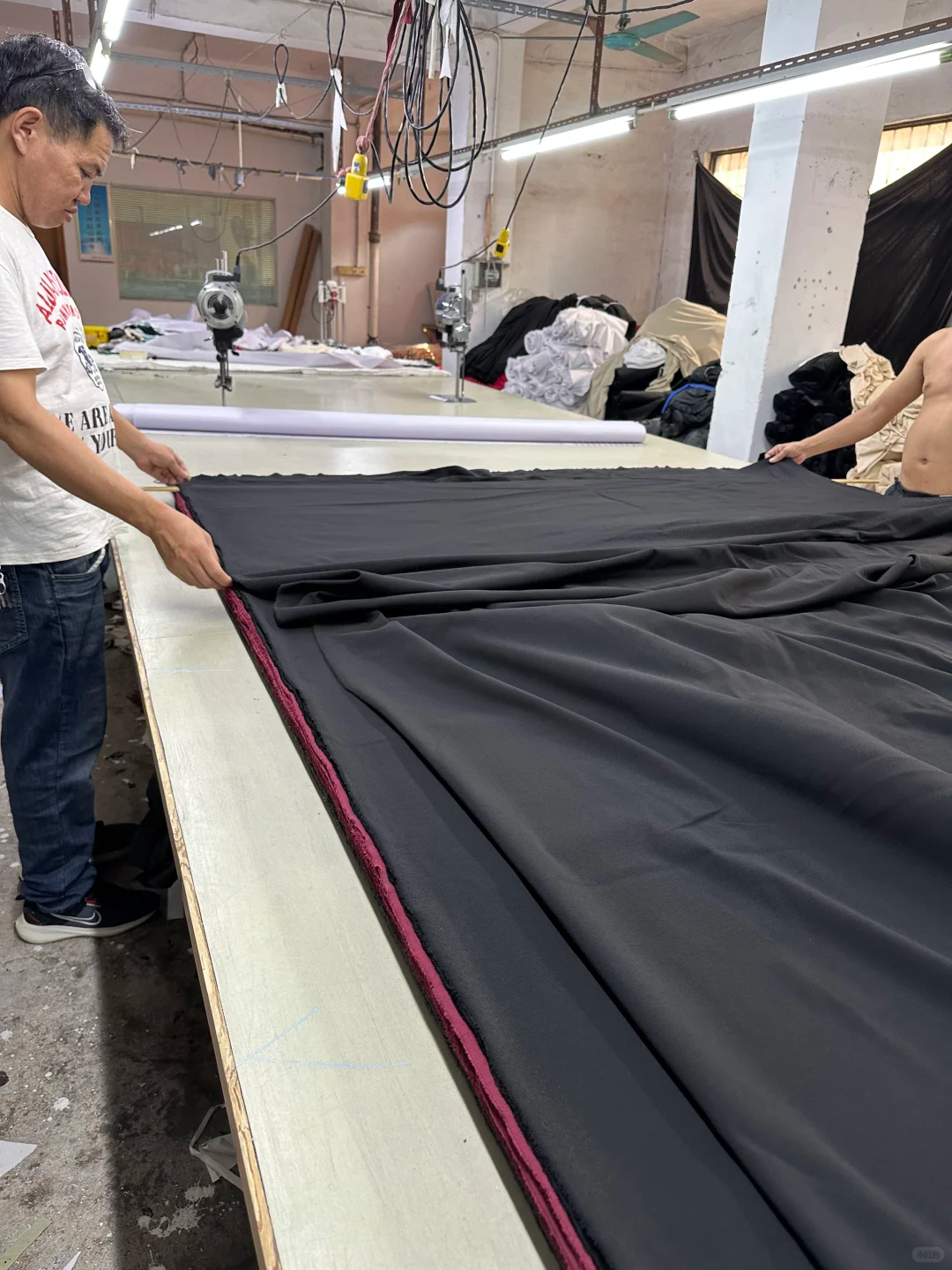
Embracing Change in the Textile Industry
The textile industry has long been known for its traditional practices, but recent global events have prompted a seismic shift. As companies navigate the post-pandemic landscape, digital transformation has become not just an option, but a necessity.
Why Digital Transformation Matters
In the wake of the pandemic, consumer preferences have dramatically shifted. Companies are now faced with the challenge of meeting demand for faster production times and more sustainable practices. This is where digital transformation plays a crucial role. By adopting new technologies, textile manufacturers can streamline operations and enhance their responsiveness to market demands.
A Case Study: Texvogue’s Journey
Take, for instance, Texvogue, a leading textile manufacturer that recognized the need for change early on. The company made significant investments in digital tools that have revolutionized their operations. From automated inventory management systems to advanced data analytics, Texvogue's approach showcases how embracing technology can lead to greater efficiency.
Key Areas of Focus in Digital Transformation
- Supply Chain Optimization: With real-time data analytics, companies can monitor supply chain dynamics, reducing lead times and minimizing waste.
- Sustainable Practices: Digital tools enable manufacturers to track resource usage, helping them implement more eco-friendly practices.
- Customer Engagement: Personalized marketing strategies powered by data analysis ensure that products meet the needs of a diverse customer base.
Impact on Operations
One of the primary advantages of digital transformation is the ability to streamline operations. Processes that once took days can now be completed in hours or even minutes. For example, Texvogue has integrated AI-driven design software that allows their designers to create prototypes rapidly, enhancing creativity while also reducing time to market.
The Road Ahead
As we move further into this digital era, manufacturers must remain vigilant and adaptable. Continuous learning and innovation will be key drivers of success. It's important for leaders in the textile sector to invest in training programs that equip employees with the skills necessary to use new technologies effectively.
Challenges to Overcome
While the benefits of digital transformation are clear, challenges still exist. Resistance to change can hinder progress, as some employees may be uncomfortable adopting new systems. Moreover, the initial investment can be daunting for smaller manufacturers. However, the long-term gains often outweigh the short-term costs.
Conclusion
Ultimately, investing in digital transformation is about future-proofing the organization. Companies like Texvogue exemplify how right strategizing and execution can lead to remarkable improvements in operational efficiency and customer satisfaction. As the textile industry continues to evolve, those who embrace change will undoubtedly reap the rewards.