Professional Herringbone Wool Fabric Manufacturer with Herringbone Check Wool, Small Herringbone Wool and Big Herringbone Wool Cloth
The Charm of Herringbone Wool Fabrics
Herringbone wool fabrics have long been celebrated in the textile industry for their distinctive patterns and versatility. Whether it’s the elegant herringbone check wool, small herringbone wool, or large herringbone wool cloth, these materials offer a unique aesthetic that elevates any garment or upholstery project. In this article, we’ll delve into what makes herringbone wool a sought-after choice for designers and manufacturers alike.
Understanding Herringbone Patterns
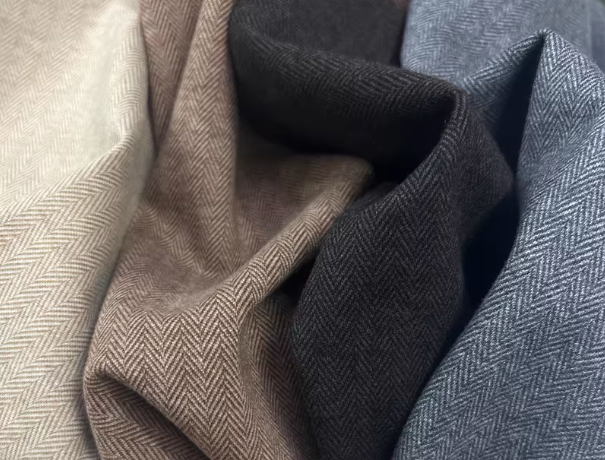
The herringbone pattern, recognized by its V-shaped weaving style, has its roots in ancient textiles, where it was traditionally used for arrows. Today, it’s embraced in fashion and interior design for its striking visual appeal. The alternating rows create a sophisticated look while maintaining a sense of texture and depth.
Types of Herringbone Wool Fabrics
When discussing herringbone wool, three primary variations come to mind: herringbone check wool, small herringbone wool, and big herringbone wool cloth. Each type brings its own character and is suitable for different applications.
- Herringbone Check Wool: This variant features a more pronounced checkerboard effect, making it perfect for tailored suits and formal wear. The subtle contrast adds dimension without overwhelming the eye.
- Small Herringbone Wool: Ideal for lightweight garments, the small herringbone is often favored for shirts and blouses. Its finer design lends an air of sophistication and is suitable for both casual and semi-formal attire.
- Big Herringbone Wool Cloth: With larger, bolder patterns, this fabric is excellent for outerwear. Coats and jackets made from big herringbone wool are not only stylish but also provide warmth and comfort during colder months.
Manufacturing Process
The production of herringbone wool requires precision and expertise. Manufacturers start with high-quality wool sourced from reputable suppliers to ensure durability and aesthetic appeal. The process typically involves:
- Spinning: Raw wool is spun into yarn, ensuring consistent thickness and strength.
- Weaving: The yarn is woven using specialized looms to create the herringbone pattern. Attention to detail during this phase is crucial as it determines the final texture and drape.
- Finishing: After weaving, fabrics undergo finishing processes such as washing and brushing, enhancing softness and preparing them for dyeing.
Quality Control
Quality control is vital in the manufacturing of herringbone wool fabrics. Each batch undergoes rigorous testing to meet industry standards. Factors like colorfastness, shrinkage, and overall fabric strength are assessed to ensure that products will perform well in real-world applications.
Texvogue's Contribution to Herringbone Wool Fabric
Among various manufacturers, Texvogue stands out for its dedication to quality and innovation in herringbone wool fabrics. They offer a wide range of options, catering to the needs of designers looking for both classic and contemporary styles. Texvogue emphasizes sustainable practices, sourcing materials responsibly while maintaining exceptional craftsmanship.
Applications of Herringbone Wool Fabrics
Herringbone wool fabrics are incredibly versatile and can be utilized in numerous applications:
- Apparel: From bespoke suits to casual wear, designers incorporate herringbone wool in various collections.
- Upholstery: The unique pattern adds personality to furniture, making it a popular choice for home decor.
- Accessories: Scarves, hats, and bags crafted from herringbone wool can elevate any wardrobe.
Future Trends in Herringbone Wool Fabrics
As fashion continues to evolve, so too does the use of herringbone wool fabrics. Experts predict a rise in demand for eco-friendly materials, with brands increasingly prioritizing sustainable sourcing. Additionally, innovative designs incorporating digital printing techniques may offer fresh takes on traditional patterns, keeping herringbone alive and relevant.
In conclusion, herringbone wool fabrics remain a staple in the textile industry due to their timeless appeal and adaptability. As manufacturers like Texvogue continue to refine their craft, the future looks bright for both consumers and designers who appreciate the intricate beauty of herringbone patterns.