
Leading China Borg Fabric Factory: Custom Design & Professional Manufacturing
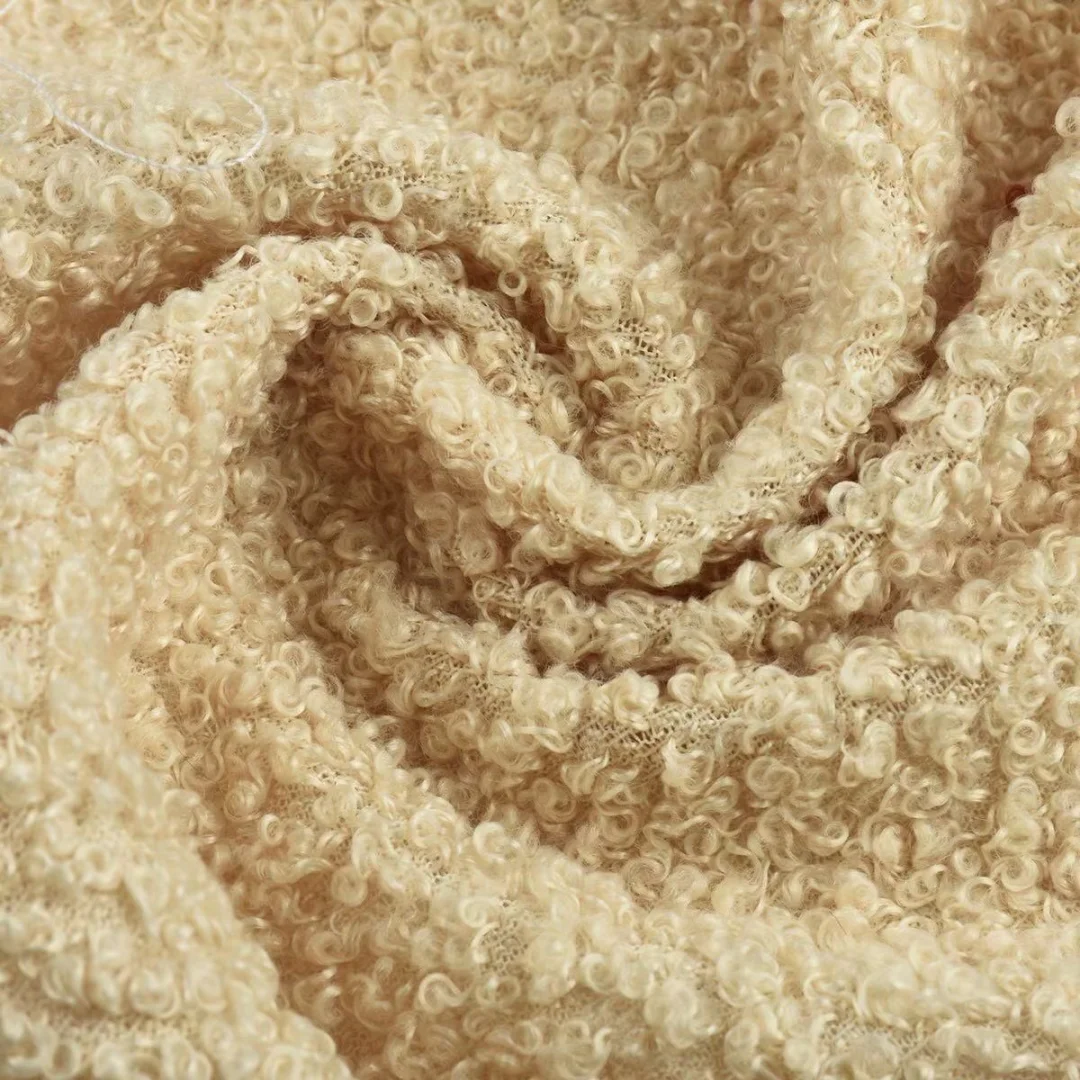
Understanding the China Borg Fabric Industry
In recent years, the demand for high-quality textiles has surged globally, particularly in the realm of functional fabrics. One such fabric that has gained considerable attention is Borg fabric. Known for its unique texture and versatility, Borg fabric is becoming increasingly popular across various sectors, including fashion, automotive, and home textiles.
The Rise of Custom Design in Textile Manufacturing
Customization is no longer a luxury; it has become a standard expectation in the textile industry. Businesses are looking to differentiate themselves through unique designs that cater to specific consumer needs. Leading manufacturers, particularly those in China, are stepping up to meet these demands with innovative approaches.
- Tailored Solutions: Many factories now offer bespoke services, allowing brands to create custom patterns, colors, and finishes.
- Rapid Prototyping: Advances in technology have made it possible to quickly produce samples, enabling brands to test markets faster.
- Sustainability Focus: More consumers are seeking eco-friendly options, prompting manufacturers to explore sustainable practices in the production process.
Texvogue: A Leader in Borg Fabric Production
One of the notable players in this space is Texvogue, renowned for its commitment to quality and innovation. With state-of-the-art machinery and experienced professionals, Texvogue stands out not just for producing Borg fabric, but for creating it according to the evolving trends within the industry.
What sets Texvogue apart is their deep understanding of client needs and market dynamics. This insight enables them to deliver products that not only meet but exceed expectations.
Professional Manufacturing Processes
Professionalism in manufacturing processes is crucial when it comes to maintaining quality. Chinese fabric factories, especially those focused on Borg fabric, have implemented rigorous quality control measures. Here’s how they ensure consistent quality:
- Material Selection: The journey begins with sourcing high-quality raw materials, as the properties of the final product depend heavily on the input materials.
- Advanced Weaving Techniques: The weaving techniques employed can greatly affect the texture and durability of the fabric. Factories utilize both traditional methods and modern technology to achieve the desired results.
- Quality Assurance: Regular testing and inspections throughout the production cycle ensure that any flaws are caught early. This attention to detail results in a superior end product.
The Importance of Collaboration
Collaboration between manufacturers and designers is key to successful textile production. This partnership allows designers to communicate their vision clearly, while manufacturers provide insights based on technical capabilities. For instance, a designer might envision a particular texture or color, and through collaborative efforts, manufacturers like Texvogue can bring that vision to life efficiently.
Challenges Faced by the Industry
Despite the advancements, the Borg fabric industry faces several challenges. Global supply chain disruptions, fluctuating raw material prices, and increasing competition are just a few hurdles that manufacturers must navigate. Moreover, with the growing emphasis on sustainability, factories are under pressure to adapt their processes without compromising quality.
Innovation as a Driving Force
Innovation is vital for overcoming these challenges. Companies are investing in research and development to find new ways to improve production efficiency while adhering to environmental standards. For example, using recycled materials in Borg fabric production is gaining traction among forward-thinking manufacturers.
Future Trends in Borg Fabric Manufacturing
Looking ahead, several trends are expected to shape the Borg fabric market. First, the continued rise of smart textiles—fabrics embedded with technology—will likely influence design and manufacturing processes. Additionally, the push towards circular economy principles will drive manufacturers to implement recycling and waste reduction strategies more effectively.
Ultimately, the future of Borg fabric manufacturing seems promising, with companies like Texvogue leading the charge toward innovative solutions that cater to an ever-evolving market.