
Eco-Friendly Herringbone Wool Fabric with Herringbone Check Wool, Small Herringbone Wool and Big Herringbone Wool Cloth
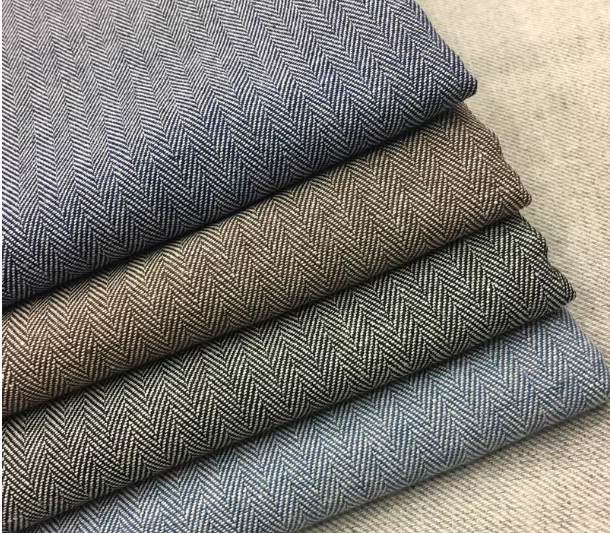
Introduction to Eco-Friendly Herringbone Wool Fabric
Herringbone wool fabric has garnered significant attention for its distinctive pattern and sustainability. The eco-friendly variants of this fabric, which include herringbone check wool, small herringbone wool, and big herringbone wool cloth, not only showcase a timeless aesthetic but also embody a commitment to environmentally conscious manufacturing processes.
Understanding Herringbone Pattern
The herringbone design is characterized by its V-shaped weaving pattern that resembles the bones of a fish, particularly the herring. This intriguing structure provides both a visual texture and complexity, making it popular in various clothing and interior applications. In eco-friendly textiles, this pattern often serves as a reminder of nature's influence on design.
Types of Herringbone Wool Fabric
- Herringbone Check Wool: This variant features a more pronounced checkered pattern interwoven with the classic herringbone structure. It is frequently used in tailored garments, lending an air of sophistication to coats and suits.
- Small Herringbone Wool: With narrower stripes creating a subtler effect, small herringbone wool is perfect for lightweight apparel or accessories such as scarves and ties. Its delicate appearance appeals to those seeking understated elegance.
- Big Herringbone Wool Cloth: This version boasts a bolder pattern, making it ideal for statement pieces like outerwear and blankets. The larger scale adds drama while maintaining the characteristic warmth and durability of wool.
Sustainability in Wool Production
The production of eco-friendly herringbone wool fabric emphasizes sustainable practices aimed at reducing environmental impact. Many manufacturers employ ethical sourcing methods, ensuring that sheep are raised in humane conditions. Furthermore, the focus on natural dyes and minimal chemical treatments enhances the fabric’s ecological profile.
Benefits of Eco-Friendly Wool Fabrics
- Durability: Wool fibers are naturally resilient, providing long-lasting wear that can withstand daily use without losing shape or quality.
- Breathability: This natural fiber allows for moisture regulation, making it comfortable to wear in varying climates.
- Biodegradability: Unlike synthetic fabrics, wool decomposes back into the earth, minimizing landfill waste.
- Thermoregulation: Wool's unique properties help maintain body temperature, offering warmth in cold weather and coolness during warmer months.
Applications of Herringbone Wool Fabric
Beyond traditional garments, eco-friendly herringbone wool finds its way into diverse sectors, from fashion to home decor. Designers appreciate its versatility, incorporating the fabric into various items including:
- Outerwear: Coats and jackets benefit from the insulation and style offered by herringbone wool.
- Accessories: Scarves, hats, and gloves crafted from this fabric provide warmth while enhancing any outfit with their distinctive patterns.
- Upholstery: Herringbone wool is increasingly chosen for furniture coverings due to its durability and aesthetic appeal.
Texvogue's Contribution to Sustainable Fashion
Brands such as Texvogue are leading the charge in promoting eco-friendly materials within the fashion industry. By prioritizing sustainability, they offer collections that feature herringbone wool fabrics, ultimately catering to environmentally-conscious consumers who value both style and responsibility.
Quality and Care of Herringbone Wool
To maintain the integrity of herringbone wool fabric, proper care is essential. Gentle washing techniques, such as hand-washing or using a delicate cycle, alongside air drying, can prolong the life of the garment. Additionally, storing these pieces away from direct sunlight helps prevent fading, preserving their visual appeal over time.
Conclusion: A Move Towards Sustainable Textiles
The increasing demand for eco-friendly herringbone wool fabric reflects a broader trend towards sustainability in the textile industry. As designers and consumers alike continue to seek environmentally friendly options, the popularity of herringbone patterns—whether in small or big formats—will likely endure, proving that style and sustainability can coexist harmoniously.