
Custom large trendy twill wool fabric fake wool fabric by the yard
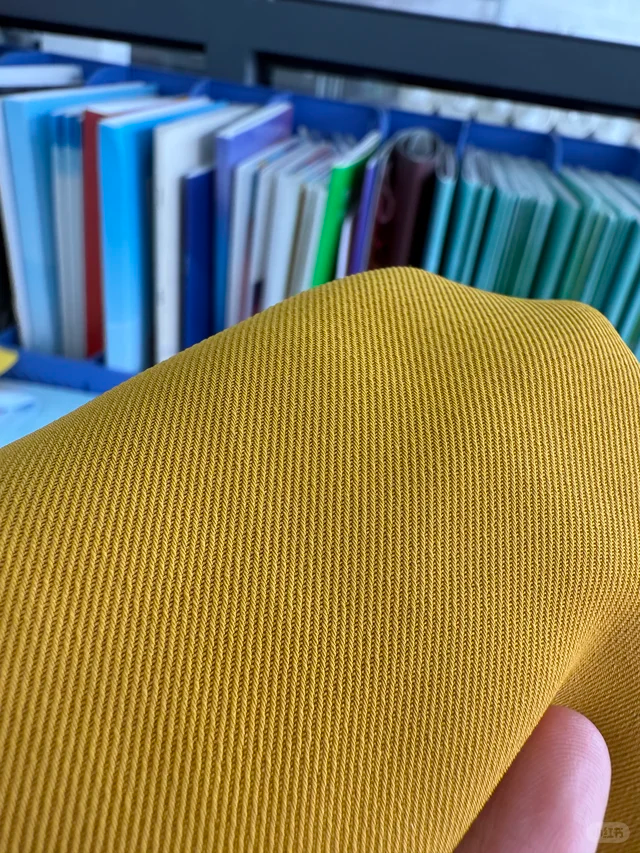
Understanding Twill Wool Fabric
Twill wool fabric is revered in the textile industry for its unique weave and texture, offering a distinctive drape that sets it apart from other materials. The characteristic diagonal ribbing inherent to twill construction not only enhances strength but also elevates the aesthetic appeal, making it a popular choice for various applications such as clothing, upholstery, and accessories.
The Characteristics of Twill Wool Fabric
One of the most notable features of twill wool fabric is its durability, owing to the way the fibers are interlaced. This construction method provides a fabric that resists creasing and wear, ensuring longevity. Additionally, twill wool typically exhibits excellent insulation properties, making it suitable for both cold weather garments and stylish outerwear.
- Texture: The fabric's texture ranges from soft and plush to coarse, depending on the type of wool used and the specific weaving technique applied.
- Weight: Available in various weights, twill wool can be tailored for different uses—from lightweight suits to heavier coats.
- Versatility: Its adaptability allows it to be dyed in an array of colors and patterns, catering to diverse fashion trends and consumer preferences.
Fake Wool Fabric: A Sustainable Alternative
In recent years, fake wool fabrics have gained significant traction within the fashion industry, particularly among brands like Texvogue that prioritize sustainable practices. These synthetic alternatives mimic the appearance and feel of traditional wool while providing certain advantages such as easier maintenance and cost-effectiveness.
Benefits of Fake Wool Fabric
One cannot overlook the environmental aspects associated with fake wool fabrics. Often crafted from recycled materials or sustainable sources, they offer an eco-friendly option without compromising on style or functionality. Moreover, advancements in textile technology have led to the development of high-quality synthetic fibers that closely replicate the luxurious qualities of natural wool.
- Maintenance: Unlike natural wool, which often requires special care, fake wool can typically be machine washed and dried, making it a practical choice for everyday wear.
- Affordability: Generally, fake wool fabrics come at a lower price point compared to their natural counterparts, broadening accessibility for consumers.
- Customization: Many manufacturers offer custom options, allowing designers to create unique patterns and textures tailored to specific collections.
Applications of Custom Large Trendy Twill Wool Fabric
Custom large trendy twill wool fabric finds its place in a host of design contexts, from high-end fashion to interior decor. Designers increasingly incorporate this fabric into their collections due to its sophisticated look and feel.
Fashion Industry Innovations
Within the realm of fashion, twill wool is frequently employed in the creation of tailored jackets, elegant dresses, and chic accessories. Its ability to hold shape while providing comfort is paramount for contemporary designers aiming to balance form and function.
Interior Design Trends
Beyond clothing, custom large trendy twill wool fabric serves as an exquisite choice for upholstery and drapery. The rich colors and textures available in this fabric can dramatically enhance living spaces, giving them a touch of sophistication while being inherently durable.
Choosing the Right Fabric
Selecting the appropriate twill wool or fake wool fabric involves considering several factors, including intended use, desired aesthetics, and maintenance requirements. For instance, when designing winter garments, one may opt for a heavier weight twill wool, while lighter versions could be suitable for spring collections.
Working with Fabric Suppliers
Collaborating with reputable fabric suppliers is crucial for obtaining quality materials. Many vendors, including those specializing in custom orders, offer swatch samples for designers to assess before committing to larger quantities. This process not only ensures satisfaction but also aids in achieving the perfect look for any project.
Conclusion
The integration of custom large trendy twill wool fabric—whether in its traditional or synthetic forms—into modern fashion and design reflects ongoing trends towards sustainability and personalization. As consumers become more discerning, the demand for high-quality, versatile fabrics continues to rise, paving the way for innovation in the textile sector.