
Custom Design Herringbone Wool Fabric: Personalized Herringbone Check Wool, Small Herringbone Wool and Big Herringbone Wool Cloth
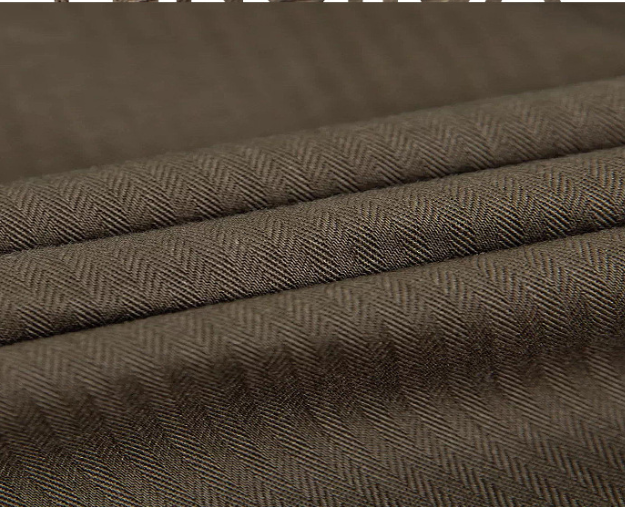
Understanding Herringbone Wool Fabric
The herringbone pattern, characterized by its distinct V-shaped weaving technique, has made a significant mark in the fabric industry. Often associated with sophistication, herringbone wool fabrics are praised for their versatility and aesthetic appeal. This article delves into the custom design aspects of herringbone wool, exploring personalized options as well as variations such as small and big herringbone checks.
Custom Design Options
Creating a personalized herringbone wool fabric allows for an expression of individuality and style. Designers and consumers alike can select from a range of colors, yarn thicknesses, and patterns to achieve the desired effect. Customization not only enhances the look but also ensures that the fabric meets specific functional requirements.
Factors Influencing Customization
- Color Selection: The color palette available for herringbone wool is extensive. From classic neutrals to bold hues, the choice can dramatically influence the final product's vibe.
- Yarn Thickness: Different thicknesses can alter the texture and appearance of the herringbone fabric. Thicker yarns may offer more warmth, whereas finer yarns can provide a sleek, elegant finish.
- Pattern Variations: While traditional herringbone features pronounced zigzagging lines, subtle variations can cater to modern tastes, including mini herringbone patterns or oversized checks for a more contemporary look.
Types of Herringbone Wool Fabrics
Within the realm of herringbone fabrics, two prominent types stand out: small herringbone and big herringbone cloth. Each serves unique purposes and appeals to different aesthetic preferences.
Small Herringbone Wool
Small herringbone, often featuring tighter and more delicate patterns, is favored in apparel and accessories. Its refined appearance makes it ideal for formal wear, suits, and tailored garments. Notable characteristics include:
- Subtle Elegance: The intricate design lends itself to sophisticated looks, perfect for professional settings.
- Comfortable Wear: Typically made with softer wool blends, small herringbone fabrics often feel pleasant against the skin.
Big Herringbone Wool
On the other hand, big herringbone cloth offers a bolder statement, commonly utilized in outerwear and casual garments. It stands out for several reasons:
- Visual Impact: The larger patterns draw attention and can be used effectively in designs aimed at making a fashionable impression.
- Versatile Uses: Big herringbone works well not only in clothing but also for upholstery and drapery, making it a popular choice among interior designers.
Applications of Herringbone Wool Fabrics
The applications of herringbone wool fabrics extend far beyond mere clothing. In particular, their adaptability makes them suitable for various industries.
Fashion Industry
Within fashion, both small and big herringbone fabrics are utilized in creating everything from high-end suits to casual jackets. Their ability to blend with different styles and trends makes them a timeless choice for designers.
Interior Design
In home decor, herringbone wool can add texture and sophistication to interiors. Upholstery, curtains, and cushions crafted from this fabric contribute warmth and visual intrigue, appealing to those who favor classic aesthetics.
Textile Innovations
Brands like Texvogue have been instrumental in innovating herringbone wool fabrics, introducing new blends and finishes that enhance durability and comfort. Such advancements not only preserve the traditional appeal of herringbone but also cater to modern consumer demands.
Conclusion on Herringbone Wool Craftsmanship
Custom design herringbone wool fabrics represent a synthesis of artistry and practicality, providing endless possibilities in fashion and interior design. Whether one opts for the understated charm of small herringbone or the dramatic flair of big herringbone, the versatility and elegance of these fabrics remain unmatched. Therefore, understanding the nuances of these materials allows designers and consumers alike to make informed choices that align with their personal style and professional needs.