
Custom Borg Fabric Manufacturer China – Premium Quality & Fast Production
Understanding Borg Fabric
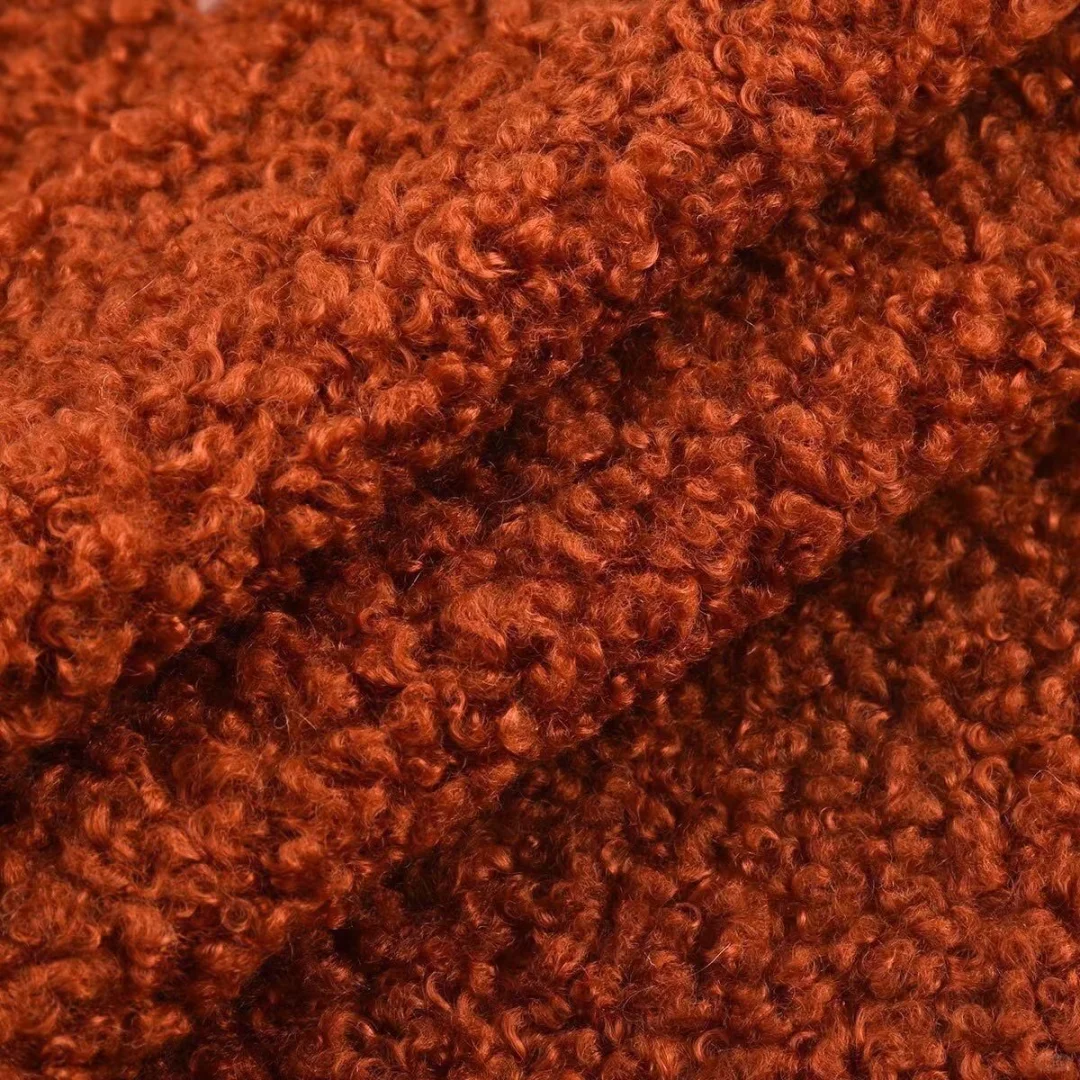
Borg fabric, characterized by its unique structure and versatility, plays an essential role in various textile applications. This synthetic material is highly valued for its durability, breathability, and resistance to wear and tear, making it particularly popular in industries such as fashion, outdoor gear, and upholstery.
The Manufacturing Process of Borg Fabric
Creating borg fabric involves a series of intricate steps that ensure high quality and consistency. The process typically begins with selecting the appropriate raw materials, which are often polyester or nylon blends. These materials are then subjected to various treatments, including dyeing and finishing, to enhance their physical and aesthetic properties.
Raw Material Selection
- Polyester: Known for its strength and resilience, polyester is a common choice for borg fabric.
- Nylon: Often used for its lightweight nature and excellent abrasion resistance.
- Blends: Combining different fibers can yield fabrics that offer superior functionality.
Production Techniques
Advanced manufacturing techniques, such as weaving and knitting, contribute significantly to the final product's characteristics. Weaving typically provides a tighter weave that enhances durability, while knitting offers greater flexibility and comfort. Furthermore, innovations like digital printing have opened new avenues for custom designs, allowing brands such as Texvogue to explore creative possibilities.
Quality Control Measures
To maintain premium quality standards, manufacturers implement stringent quality control measures throughout the production process. This often includes regular inspections at various stages—ranging from raw material acquisition to the finished fabric. Testing for colorfastness, tensile strength, and overall performance ensures that the borg fabric meets industry benchmarks.
Testing Procedures
- Colorfastness Tests: Assess how well the fabric retains its color when exposed to light and washing.
- Tensile Strength Tests: Measure the fabric's ability to withstand pulling forces without tearing.
- Pilling Resistance: Evaluates how prone the fabric is to forming pills, affecting its appearance and texture.
Custom Borg Fabric Solutions
In today's competitive textile market, customization has become crucial. Manufacturers often offer bespoke solutions to cater to clients' specific needs, whether it's adjusting the weight, texture, or pattern of the borg fabric. For instance, clients seeking distinctive branding opportunities can request custom prints or finishes that reflect their brand identity.
Benefits of Customization
- Brand Differentiation: Unique patterns and colors allow brands to stand out.
- Functional Adaptability: Custom specs can enhance the fabric's suitability for particular applications.
- Shorter Lead Times: Efficient production processes enable quick turnaround for customized orders.
Fast Production Capabilities
The demand for rapid production has heightened in recent years, pushing manufacturers to adopt lean production strategies. By optimizing workflows and utilizing state-of-the-art technology, companies can significantly reduce lead times without compromising quality. This agility enables businesses to respond promptly to market trends, thereby enhancing their competitiveness.
Technological Innovations
Modern textile manufacturing increasingly relies on automation and software solutions to streamline operations. For example, computer-aided design (CAD) programs facilitate rapid prototyping, while automated cutting machines improve precision and efficiency. Such advancements not only speed up production but also minimize waste, contributing to more sustainable practices within the industry.
Sustainable Practices in Borg Fabric Manufacturing
As environmental concerns grow, the textile industry is under pressure to adopt more sustainable practices. Many manufacturers are exploring eco-friendly alternatives in their production processes, such as using recycled materials or employing waterless dyeing technologies. Such initiatives are vital not only for compliance with regulations but also for meeting consumer expectations.
Examples of Sustainability Initiatives
- Recycled Fibers: Utilizing post-consumer materials reduces dependency on virgin resources.
- Water Conservation: Implementing systems that minimize water usage during dyeing and finishing.
- Energy Efficiency: Investing in energy-efficient machinery and renewable energy sources to power production facilities.
Collaborating with Manufacturers
Partnerships between brands and manufacturers can yield mutually beneficial outcomes. By working closely with suppliers who prioritize quality and sustainability, businesses can ensure the long-term success of their product lines. Engaging with experienced manufacturers, especially those renowned in the industry like Texvogue, allows brands to leverage expertise that can elevate their offerings.
Selecting the Right Manufacturer
- Reputation: Research potential partners’ histories and client feedback.
- Capacity: Ensure the manufacturer can handle your production volume and timelines.
- Certifications: Look for certifications that indicate adherence to quality and environmental standards.
Conclusion
When considering custom borg fabric manufacturing in China, understanding the intricacies of the process and the importance of quality and customization is paramount. With the right partnerships and practices in place, businesses can harness the advantages of fast production and innovative designs in this dynamic industry.