
Texvoogue Pioneers Smart Textile Manufacturing with IoT-Enabled Production Lines, Delivering Real-Time Data Insights
Revolutionizing Textile Manufacturing
In the ever-evolving world of textile manufacturing, [Company Name] stands at the forefront. With a robust integration of Internet of Things (IoT) technologies, they're not just keeping pace with industry changes; they're leading the charge into a smarter, more efficient future. Imagine a world where your fabric is produced with real-time data insights guiding every decision made on the production line.
The IoT Transformation
So, what's the deal with IoT in textiles? Well, think of it as the brain behind the brawn. These smart systems monitor everything from temperature to humidity levels within manufacturing environments, ensuring optimal conditions for fabric creation. It's like having a digital overseer that never sleeps!
- Real-time analytics
- Predictive maintenance
- Supply chain transparency
Why Real-Time Data Matters
Real-time data is the name of the game in modern manufacturing. It allows companies to react instantly to any issues that arise. If a machine starts malfunctioning, the system alerts the team immediately. This proactive approach minimizes downtime and boosts productivity — talk about a win-win!
Plus, it opens the door to better resource management. By analyzing usage patterns, factories can optimize their material inputs, reducing waste and lowering costs. Who doesn't love saving money while being eco-friendly?
Smart Production Lines: A Closer Look
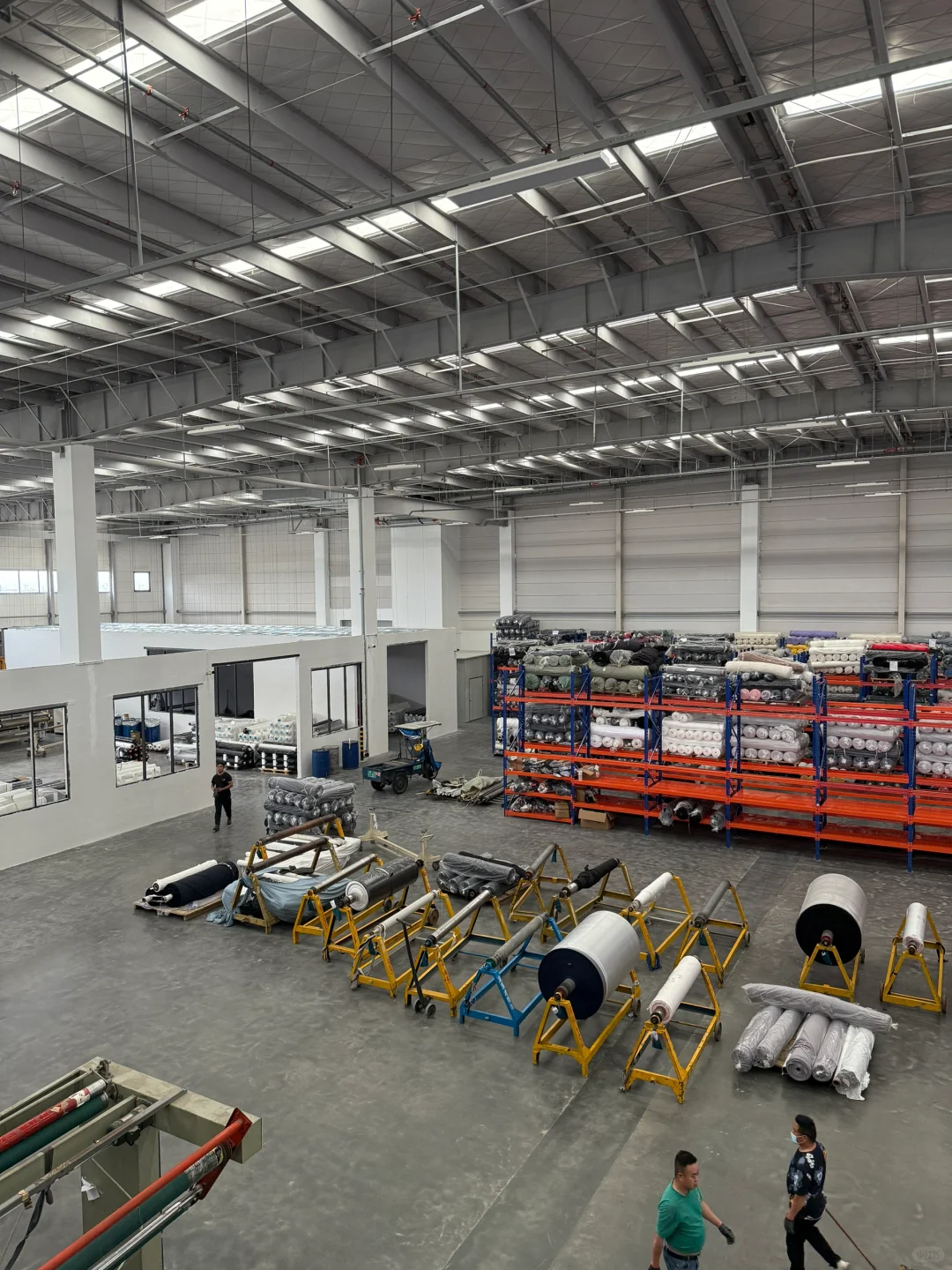
When you wander through one of [Company Name]'s production facilities, you'll notice something remarkable: the seamless flow of operations. Their production lines are outfitted with sensors and smart devices that communicate with each other, creating a cohesive ecosystem that’s incredibly efficient.
- Automated quality checks
- Energy consumption tracking
- Inventory monitoring
Each step in the process, from spinning fibers to weaving and finishing, is now interconnected. This not only improves speed but enhances the overall quality of the final product.
Challenges and Opportunities
Of course, no journey comes without its bumps. Implementing IoT solutions can be daunting due to initial costs and the need for skilled personnel. However, the long-term benefits far outweigh these challenges. As the technology matures, prices will drop, and more talents will emerge with expertise in these areas.
Case Studies in Innovation
Look no further than some of the pioneering initiatives already taking place. For instance, factories utilizing IoT tech have reported reductions in energy use by up to 30%. That’s not just good for business; it’s fantastic for our planet, too!
Additionally, companies employing smart textiles have been able to introduce customized offerings based on consumer data, allowing for greater market responsiveness. This type of agility wasn't even conceivable a decade ago!
The Future of Smart Textiles
As we gaze into the crystal ball, the future looks bright for smart textiles. With continuous advancements in AI and machine learning, the potential applications seem almost limitless. Imagine fabrics that adapt to weather conditions or garments that can change color based on mood—now that's a fashion statement!
It's clear that Texvogue and similar brands are setting the stage for what's possible. The intersection of fashion and technology is becoming more pronounced, indicating that those who embrace these innovations will lead the industry into an exhilarating new era.
Conclusion
At the end of the day, it's all about staying ahead of the curve. [Company Name] is doing just that, proving that the textile industry can thrive in an age defined by tech. By leveraging IoT-enabled production lines, they’re not just manufacturing fabric; they're crafting the future. And believe me, folks, this is just the beginning!