
Texvogue Launches 100% Recycled Polyester Fabric Line, Diverting 500,000 Plastic Bottles from Landfills Annually
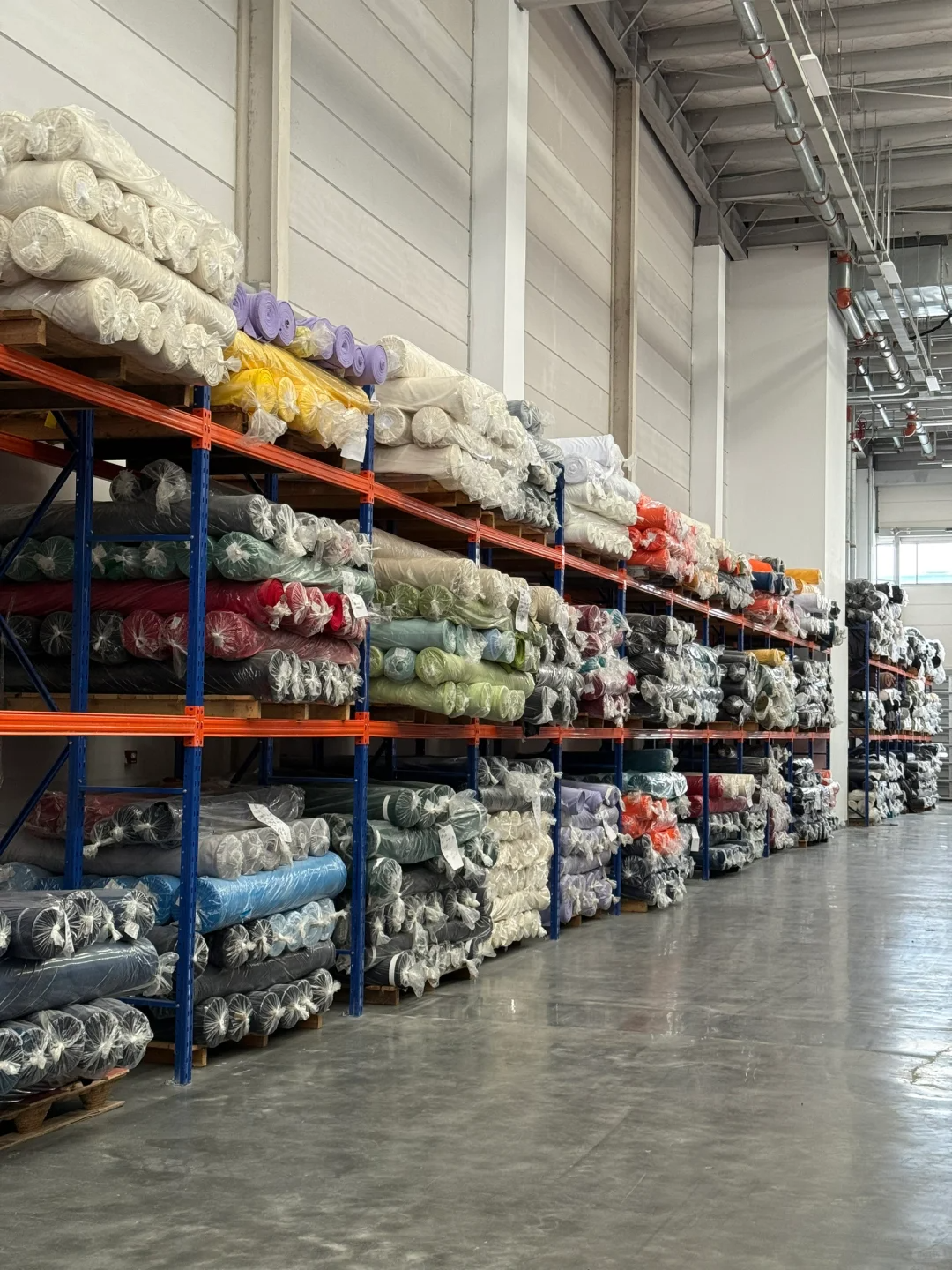
Introduction to Sustainable Fabric Innovations
In recent years, the fashion industry has faced increasing scrutiny regarding its environmental impact. As sustainability becomes a paramount concern for consumers and brands alike, innovative solutions are being sought to reduce waste and promote eco-friendly practices.
Texvogue's Commitment to Sustainability
In an impressive move towards environmental responsibility, Texvogue has launched a new line of fabrics made entirely from recycled polyester. This initiative is not merely a marketing gimmick; it represents a significant effort to address plastic waste by diverting approximately 500,000 plastic bottles from landfills each year.
The Process of Recycling Polyester
The journey of transforming discarded plastic bottles into fabric involves several crucial stages. Initially, the bottles are collected and sorted, ensuring that they meet quality standards for recycling. Following this, the bottles undergo a process of cleaning and shredding before being melted down and extruded into fibers. The resulting polyester is then spun into yarn, which is woven or knitted into fabric.
Environmental Benefits
- Reduction in Plastic Waste: By converting plastic bottles into fabric, Texvogue significantly reduces the volume of waste sent to landfills.
- Lower Carbon Footprint: The production of recycled polyester typically consumes less energy compared to virgin polyester, leading to reduced greenhouse gas emissions.
- Conservation of Resources: Utilizing existing plastics helps conserve natural resources that would otherwise be used to create new materials.
Consumer Engagement and Awareness
As part of this initiative, Texvogue aims to raise awareness among consumers about the importance of sustainable choices in fashion. Through educational campaigns and informative labels on their products, the brand encourages shoppers to consider the origins of their clothing and make informed decisions that prioritize sustainability.
Challenges in the Industry
While the introduction of recycled polyester fabrics marks a step forward, the industry still faces challenges. One notable issue is the perception of recycled materials, which some consumers believe may lack the performance characteristics of conventional fabrics. However, advancements in technology have allowed for the development of high-quality recycled textiles that do not compromise on durability or aesthetics.
Collaboration with Innovation Partners
Texvogue recognizes that collaboration is key to advancing sustainability in fashion. The company has partnered with various organizations focused on recycling technologies and sustainable manufacturing processes. These partnerships not only enhance Texvogue's capabilities but also contribute to a broader movement toward environmental stewardship within the industry.
The Future of Sustainable Fashion
As more brands follow in Texvogue's footsteps, the future of fashion appears increasingly green. The shift towards sustainable materials such as recycled polyester is expected to gain momentum, potentially transforming consumer expectations and industry standards. By investing in environmentally friendly practices, brands can foster loyalty among conscious consumers while simultaneously addressing the pressing issues of pollution and resource depletion.
Conclusion
Ultimately, Texvogue's launch of its 100% recycled polyester fabric line exemplifies a proactive approach to sustainability in fashion. By diverting substantial amounts of plastic waste from landfills and promoting a circular economy, Texvogue sets a precedent for others in the industry to follow. This initiative not only underscores the importance of innovation in textile manufacturing but also champions the idea that fashion can indeed align with ecological responsibility.