
Texvogue Introduces Innovative Closed-Loop Production System, Eliminating 95% of Textile Waste in Its Operations
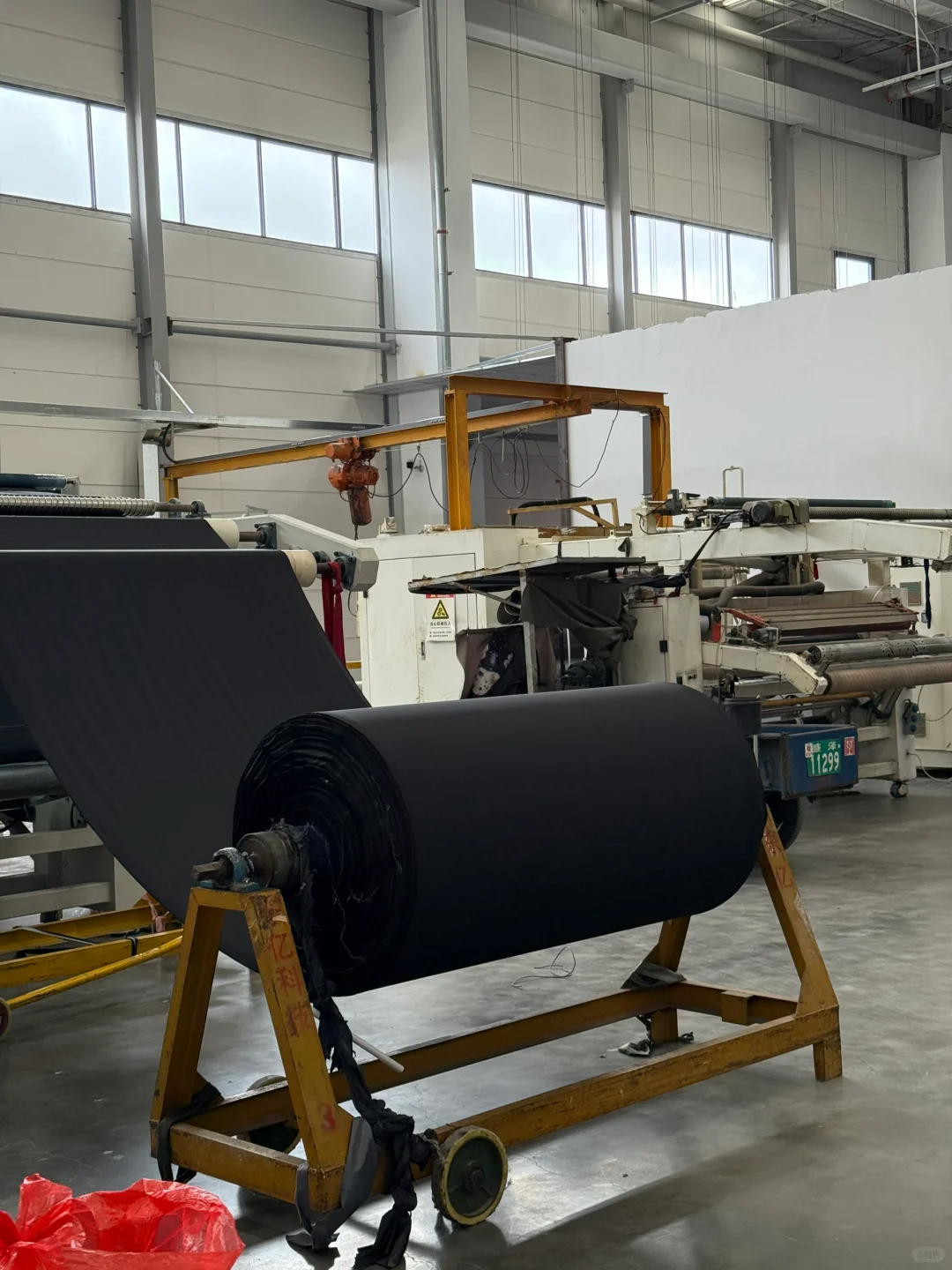
Introduction to Closed-Loop Production Systems
In recent years, the textile industry has faced mounting pressure to reduce its environmental impact, especially concerning waste. The introduction of innovative closed-loop production systems represents a significant advancement in sustainable practices, allowing companies to minimize waste and optimize resource use.
The Concept of Closed-Loop Production
A closed-loop production system is designed to recycle materials back into the production cycle, thereby reducing the need for virgin resources. This approach not only conserves raw materials but also significantly lowers energy consumption throughout the manufacturing process.
How It Works
Closed-loop systems typically involve several stages:
- Material Recovery: Waste fabrics and off-cuts are collected during the production process.
- Reprocessing: These materials undergo treatment and reengineering to create new fibers or textiles.
- Quality Control: Rigorous testing ensures that recycled materials meet industry standards before they are reintroduced into production.
- Reintegration: The reprocessed materials are then reintegrated into the supply chain, completing the loop.
Impact on Textile Waste Reduction
By employing a closed-loop production system, companies can drastically cut down textile waste—some estimates suggest reductions of up to 95%. This remarkable figure comes from the ability to reclaim nearly all scrap material and utilize it efficiently in subsequent production cycles.
Benefits Beyond Waste Reduction
While the primary advantage of such systems is the reduction of waste, there are numerous additional benefits:
- Cost Efficiency: Utilizing reclaimed materials can lower production costs associated with purchasing new raw materials.
- Enhanced Brand Reputation: Companies adopting sustainable practices often gain favor with environmentally conscious consumers.
- Regulatory Compliance: As countries tighten regulations on waste and emissions, closed-loop systems can help companies stay compliant.
Texvogue’s Implementation
Texvogue, a leading brand in the textile industry, has recently unveiled its own closed-loop production system. By implementing cutting-edge technology alongside traditional recycling methods, Texvogue aims to set a standard for sustainability within the sector.
Technological Innovations
Texvogue’s approach incorporates advanced technologies such as automated sorting systems and AI-driven quality assessment tools, which streamline the recovery and reprocessing phases. These innovations not only enhance operational efficiency but also ensure high-quality outputs, thus fostering consumer trust.
Challenges Ahead
Despite the promising outlook for closed-loop systems, several challenges remain. The initial investment in infrastructure and technology can be substantial. Moreover, establishing reliable supply chains for recovered materials poses logistical hurdles, particularly in regions where textile waste management is not yet developed.
Future of Closed-Loop Systems in Textiles
The trajectory of closed-loop production systems in the textile industry appears promising, particularly as brands like Texvogue spearhead initiatives towards sustainable production. The long-term success of these systems will depend on continuous innovation, collaboration across the industry, and consumer acceptance of recycled products.
Consumer Engagement
To foster a shift in consumer behavior, education about the benefits of closed-loop systems is essential. Brands must communicate transparently about their sourcing, production processes, and sustainability efforts. Engaging storytelling combined with a commitment to transparency will play a pivotal role in driving consumer acceptance and demand.
Conclusion
In conclusion, the advent of closed-loop production systems represents a transformative step toward a more sustainable textile industry. By minimizing waste and improving resource efficiency, brands like Texvogue are paving the way for a greener future.