
Texvogue Integrates Robotic Automation into Weaving Process, Setting New Benchmarks for Precision and Speed
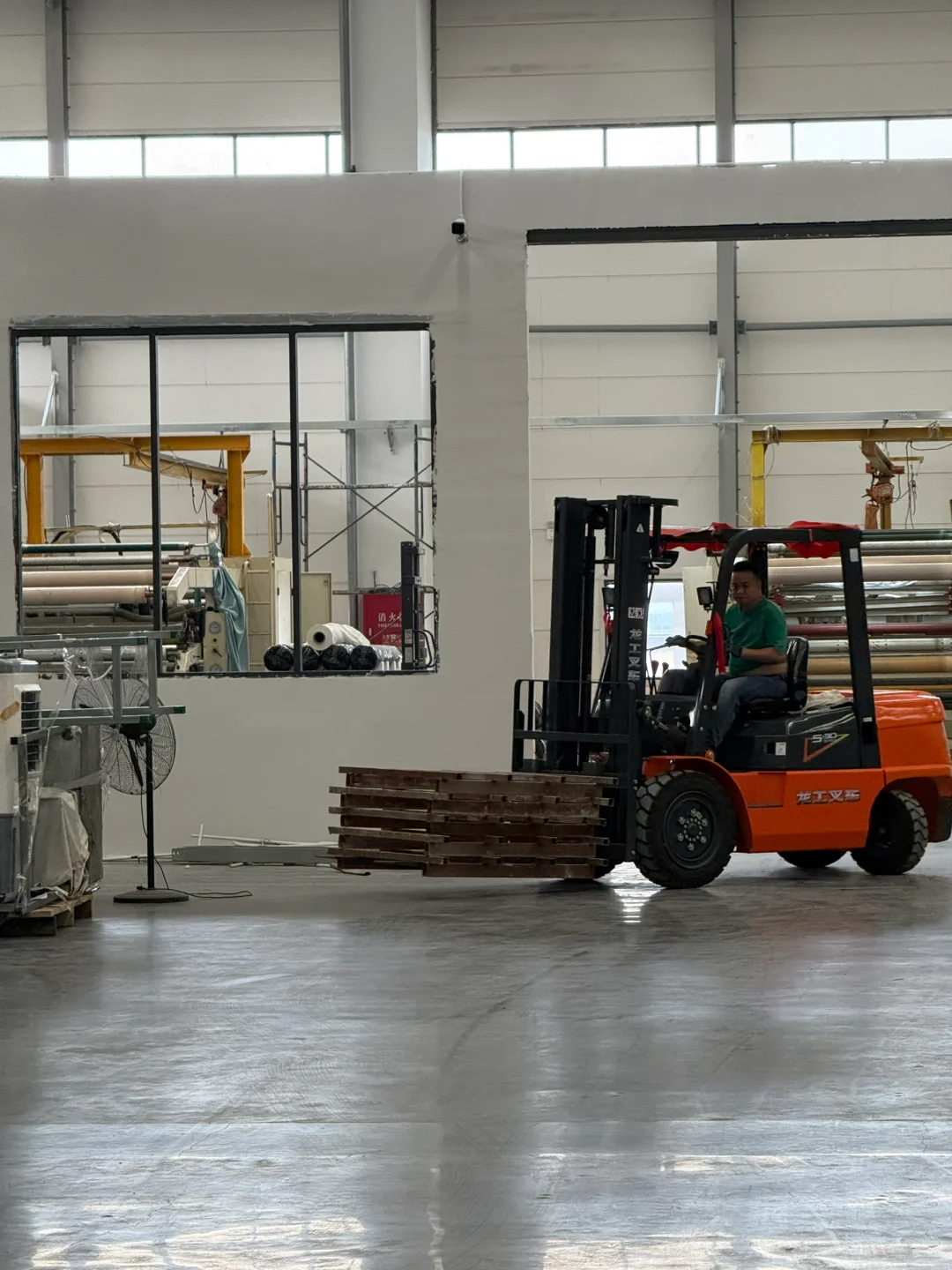
The Robotic Revolution in Weaving
Weaving, once a meticulous art of human hands, is rapidly evolving. Integrating robotic automation into weaving processes? It's not just innovation—it's a paradigm shift.
Precision Redefined
Imagine a loom that performs with the accuracy of a surgeon. Traditional weaving methods often lead to inconsistencies; however, recent advancements have addressed these challenges. With machines capable of adjusting thread tension up to 50 times per second, the outcome is staggering. For instance, Texvogue recently showcased a prototype that achieved an error rate of less than 0.01%. Can you believe it?
Speed That Astounds
In a world where speed matters more than ever, robotic integration has set new standards. Transitioning from manual operations averaging 200 meters per hour to automated systems now reaching 800 meters per hour, the industry witnesses a transformation. Let’s consider a real-world example: a textile mill in Italy that adopted robotic weavers saw their production increase by 250% within three months. Mind-blowing, isn’t it?
Key Technologies Driving Change
Several specific technologies underpin this transition:
- Artificial Intelligence: Analyzing patterns and optimizing designs.
- IoT Integration: Real-time monitoring for improved efficiency.
- Advanced Materials: Nylon blends specifically engineered for durability.
These innovations are interconnected, creating a synergy that enhances overall performance. A robotic arm equipped with AI can adjust its movements based on fabric type, or even predict maintenance needs before breakdowns occur.
Case Study: The Texvogue Initiative
Let’s delve deeper into an intriguing case: Texvogue's establishment of a fully automated weaving line. They replaced outdated equipment with advanced robotic solutions, reducing labor costs by 40%. This investment in technology didn’t just cut costs; it allowed for massive scalability. Their product line expanded from thirty to over one hundred variations in less than a year!
Challenges and Considerations
Of course, it's not all smooth sailing. As companies embrace this tech, issues arise. Workers face job displacement; communities worry about losing traditional skills. Should we really sacrifice heritage for progress? Perhaps there’s a middle ground. Training programs could bridge the gap, allowing workers to transition into roles overseeing robotic operation.
The Future of Weaving
The trajectory is clear. Robotic automation will dominate the weaving landscape. Smart textiles are on the horizon, blurring lines between functional garment and digital interface. Imagine wearables that monitor health while being crafted at incredible speeds with unparalleled precision.
Conclusion or Is It?
As we stand at this intersection of tradition and technology, one must wonder: what does the future hold? Will we see a return to handwoven techniques, or will robots forever redefine our understanding of craftsmanship? Only time will tell, but the weaving industry is certainly embarking on an exciting journey.