China braemar herringbone wool fabric by the yard factory
Introduction to Braemar Herringbone Wool Fabric
The Braemar herringbone wool fabric is renowned for its intricate diagonal patterns and remarkable texture, making it a popular choice among high-end fashion designers and tailors alike. This distinctive fabric, often sourced from China, embodies both traditional craftsmanship and contemporary style.
Characteristics of Herringbone Wool
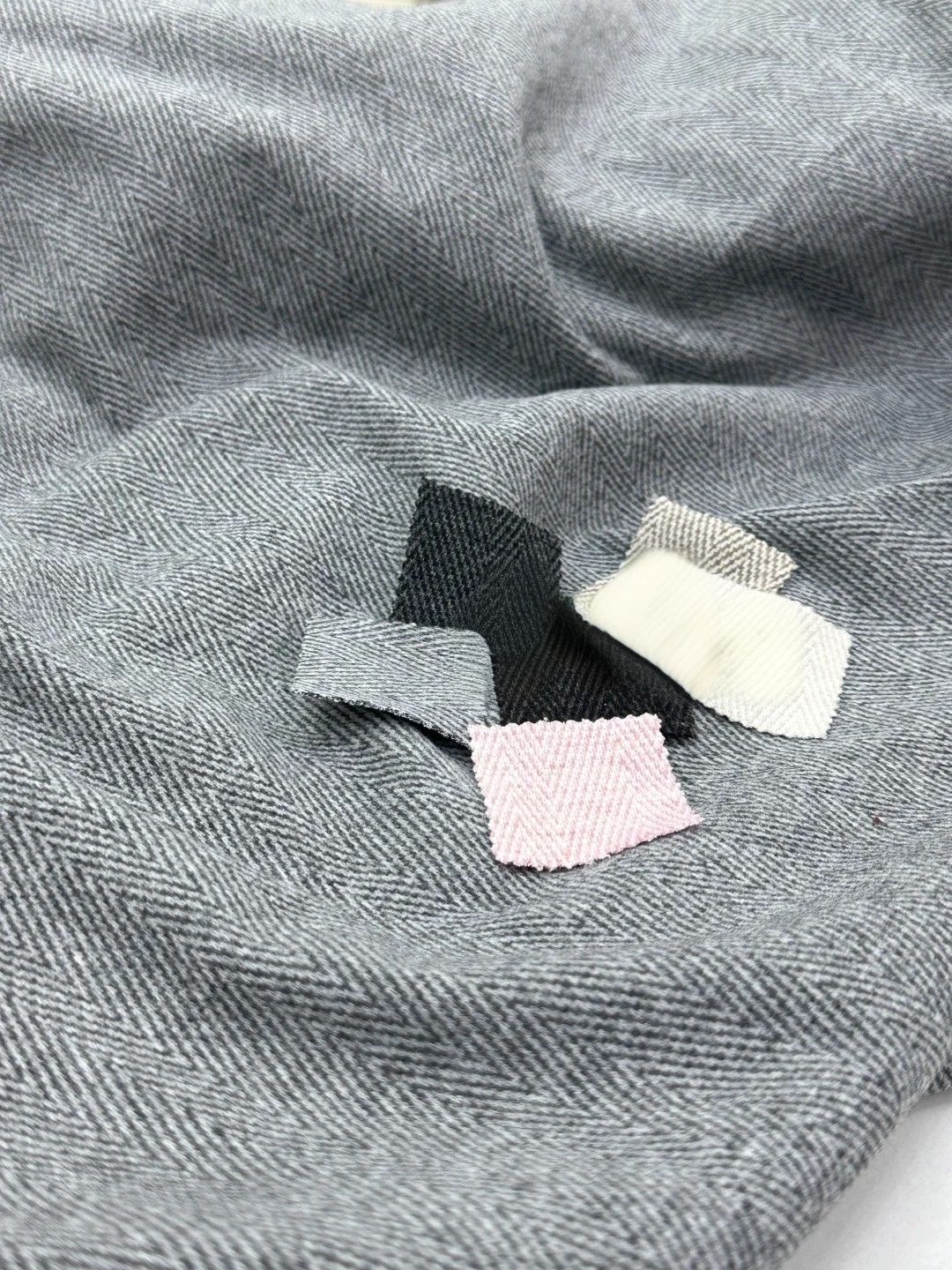
Herringbone wool fabric exhibits a striking zigzag pattern that not only adds visual interest but also enhances the fabric's durability. Its construction typically involves fine, closely woven threads, resulting in a luxurious finish that feels soft against the skin.
- Texture: The unique weave pattern creates a raised texture, offering a tactile experience that is both sophisticated and comfortable.
- Warmth: Wool is a natural insulator, ensuring that garments made from this fabric provide warmth without sacrificing breathability.
- Versatility: The classic herringbone design makes it suitable for various applications, ranging from tailored suits to casual outerwear.
Applications of Braemar Herringbone Wool Fabric
This particular type of wool is used extensively in the fashion industry due to its appealing aesthetics and functional properties. The following are some prominent applications:
Tailored Clothing
Tailors frequently choose Braemar herringbone wool for creating bespoke suits and jackets, as the fabric holds shape exceptionally well while providing comfort. Its elegant drape enhances the overall silhouette of the garment.
Outerwear
Coats manufactured from this wool are favored during colder months, offering both style and warmth. With its resilience against wear and tear, herringbone wool outerwear can stand the test of time.
Accessories
In addition to clothing, the fabric is also utilized in crafting accessories like scarves, hats, and bags. The sophisticated look of the herringbone pattern elevates any accessory, making them desirable items in the fashion market.
Production Process in China
China plays a significant role in the global textile industry, particularly in the production of high-quality wool fabrics such as Braemar herringbone. The manufacturing process typically involves several stages:
Sourcing Raw Materials
Quality wool fibers are sourced from reputable suppliers, emphasizing sustainability and ethical practices. The selection of fibers directly influences the final product's quality.
Weaving Techniques
The weaving process employs advanced machinery and skilled artisans adept at creating the intricate herringbone pattern. Depending on the desired weight and texture, variations in the weaving technique may be applied.
Finishing Touches
Once woven, the fabric undergoes a series of finishing processes, including washing, dyeing, and treatments to enhance performance attributes such as water resistance and colorfastness.
Choosing the Right Fabric for Your Needs
When selecting Braemar herringbone wool fabric by the yard, consider the following factors to ensure you make an informed decision:
- Weight: Determine the thickness required based on the intended use—lighter weights are ideal for suit linings, while heavier varieties work well for outerwear.
- Color and Pattern: Explore various color options and patterns available in herringbone, which range from monochromatic to vibrant hues.
- Supplier Reputation: Source your fabric from reputable factories known for their commitment to quality, such as those established within the Texvogue network.
Conclusion
In summary, Braemar herringbone wool fabric represents a fusion of tradition and modernity, reflecting the evolving landscape of the textile industry. By understanding its characteristics, applications, and manufacturing nuances, one can appreciate the craftsmanship involved in bringing this exquisite material to life.