
As your dedicated manufacturer, our China factory provides end-to-end custom curly fur fabric development.
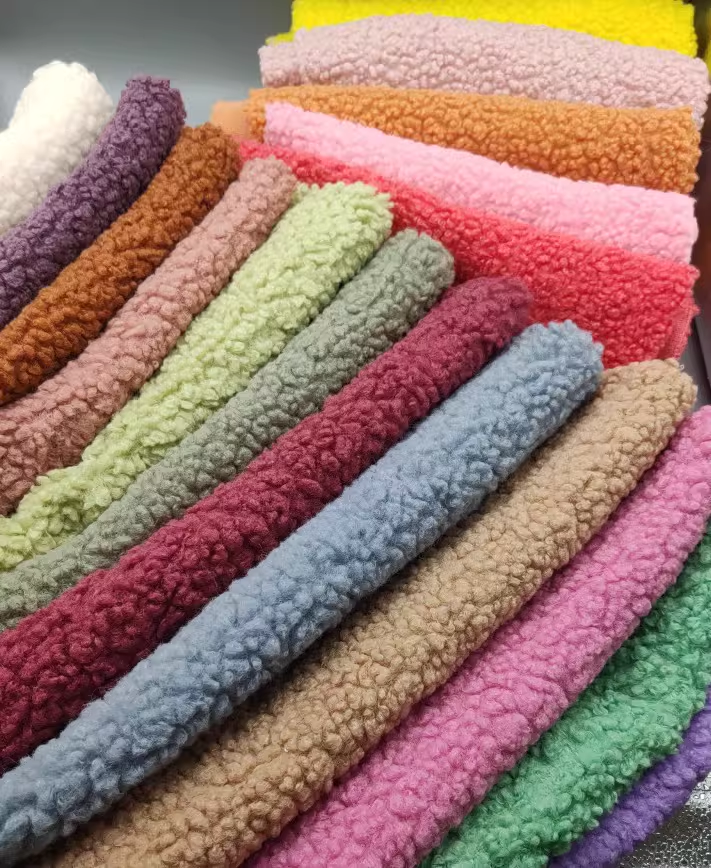
Understanding Custom Curly Fur Fabric Development
In the realm of textile manufacturing, curly fur fabric has gained significant traction for its unique aesthetic and versatile applications. Its intricate texture not only adds visual appeal but also provides warmth and comfort, making it a popular choice in fashion and home decor.
The Manufacturing Process
The development of custom curly fur fabric involves several key stages, each crucial to achieving the desired quality and characteristics. A comprehensive understanding of this process can enhance collaboration and efficiency between manufacturers and designers.
Material Selection
The first step in creating custom curly fur fabric is selecting the appropriate base materials. Common options include synthetic fibers such as polyester or natural fibers like wool. The choice often depends on specific project requirements, such as durability, softness, and cost-effectiveness.
Design Specifications
Once the materials are chosen, designers must provide detailed specifications outlining their vision for the fabric. This includes considerations like pile height, curl pattern, and color palette. Effective communication at this stage ensures that the final product aligns with the initial concept.
Sample Production
After finalizing the design, a sample batch is produced. This critical phase allows for testing various elements—such as texture, weight, and flexibility—before mass production begins. Feedback from stakeholders during this phase can lead to essential adjustments, ensuring that the final product meets expectations.
Quality Control Measures
Ensuring exceptional quality throughout the manufacturing process is paramount. Quality control measures are implemented at multiple points, from raw material inspection to the final product assessment.
- Raw Material Inspection: All incoming materials undergo thorough evaluation to ensure they meet specified standards.
- In-process Testing: Regular checks during production help identify any issues early, minimizing waste and ensuring consistency.
- Final Product Evaluation: Finished fabric is assessed against predefined criteria before shipment to guarantee satisfaction.
Applications of Curly Fur Fabric
Custom curly fur fabric serves a multitude of purposes across various industries. Its applications range from high-end fashion garments to cozy throw blankets, and even upholstery for furniture. Notably, brands such as Texvogue have leveraged this fabric's versatility, incorporating it into their collections to create striking designs.
Fashion Industry
In fashion, the unique texture and visual appeal of curly fur fabric make it an ideal choice for outerwear, accessories, and statement pieces. Designers appreciate its ability to elevate simple silhouettes into extraordinary ensembles.
Interior Design
Within the interior design sector, curly fur fabric finds its place in cushions, throws, and other decorative items. It enhances spaces by adding depth and warmth, inviting comfort and style.
Sustainability Considerations
As the demand for eco-friendly materials rises, manufacturers are exploring sustainable practices in the production of curly fur fabric. The use of recycled fibers and sustainable sourcing methods is increasingly becoming a focal point in manufacturing discussions.
Eco-friendly Materials
Opting for recycled polyester or organic natural fibers can significantly reduce the environmental impact associated with traditional fabric production. Brands that prioritize sustainability find themselves appealing to a growing consumer base that values ethical practices.
Efficient Production Techniques
Adopting energy-efficient manufacturing processes not only contributes to sustainability goals but can also improve overall operational efficiency. Techniques such as waterless dyeing and optimized cutting patterns minimize waste and resource consumption.
Conclusion
Engaging with a dedicated manufacturer for custom curly fur fabric development offers numerous advantages. By focusing on quality, design, and sustainability, businesses can create exceptional products that resonate with consumers while adhering to modern market demands.